How can I visit the White House Map Room?
Direct public access to the Map Room Of The White House is not typically available. However, you can request a general White House tour through your Member of Congress. These tours provide a broader historical experience of the Executive Residence, where the significance of the Map Room is often highlighted, connecting visitors to its critical past.
What was the primary use of the Map Room Of The White House?
The Map Room Of The White House served as President Franklin D Roosevelt's strategic command center during World War II. It was a crucial space for tracking troop movements, reviewing intelligence, and strategizing with military advisors. This room became central to wartime decision-making, marking it as a profoundly important site in American and global history.
Where is the Map Room located within the White House?
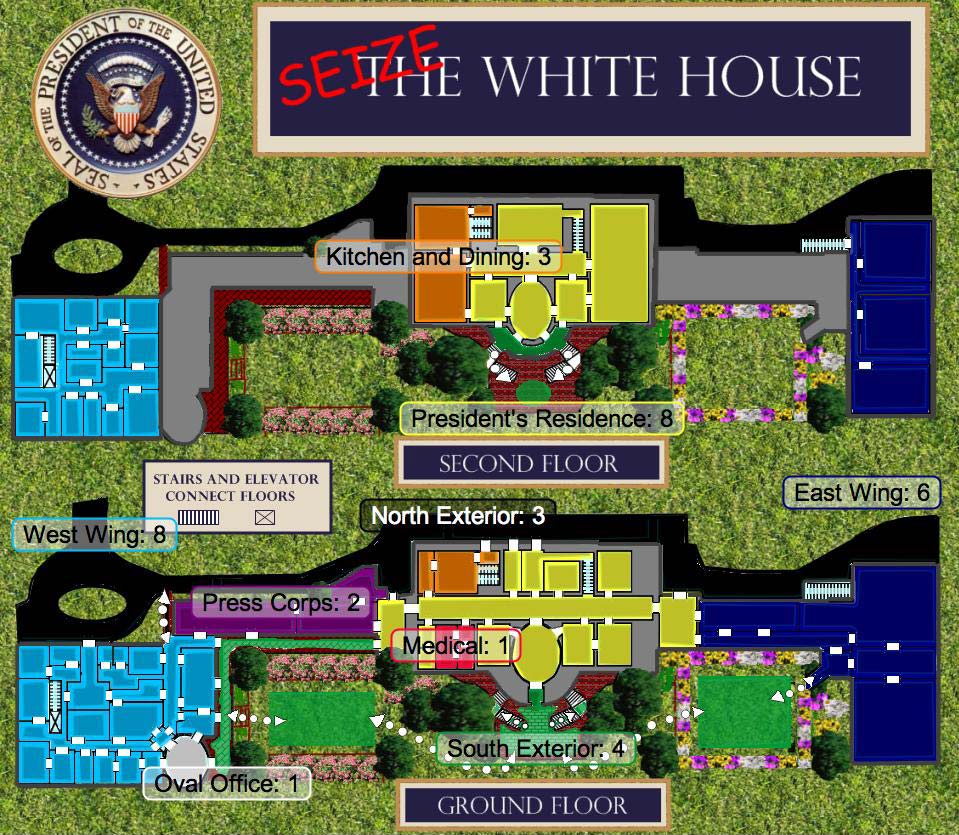
The Map Room Of The White House is located on the Ground Floor of the White House, within the Executive Residence. This placement provided a discrete and accessible location for President Roosevelt to conduct sensitive wartime operations. Its historical setting contributes to its enduring significance as a key area within the presidential complex.
Is the Map Room still used by the President today?
Yes, the Map Room Of The White House remains a functional space within the Executive Residence. Although it no longer serves as a war room, it hosts various smaller meetings, receptions, and presidential engagements. Its historical ambiance and intimate setting continue to make it a valuable location for a range of official White House activities.
What historical artifacts are in the Map Room Of The White House?
The Map Room Of The White House is furnished with historical artifacts reflecting its past, especially its World War II role. It often features period furniture, original maps, and memorabilia that underscore its critical function during President Roosevelt's administration. These items help preserve its legacy and connect visitors to its profound historical importance within the White House.
Are there White House tours that specifically include the Map Room?
No, standard public White House tours typically do not include direct access to the Map Room Of The White House. Public tours usually focus on the State Rooms in the East Wing. However, the historical significance of the Map Room is often explained by guides or through provided materials, ensuring visitors understand its vital role in presidential history.
Discover the historical significance and present-day function of the Map Room Of The White House, a pivotal space within the Executive Residence in Washington DC. This iconic room, notably used by President Franklin D Roosevelt during World War II for strategic planning, continues to serve important governmental purposes. While direct public access to the Map Room is not typically available, understanding its role is key for history enthusiasts and local guides exploring the White House experience. Learn about the White House tours that provide an opportunity to appreciate the building's rich heritage, including areas that highlight its various functions. Navigating the process for White House visitor information and preparing for a tour requires knowing the necessary security protocols and scheduling requirements. This informational overview helps US citizens understand what the Map Room represents and how to engage with the broader context of White House history, making a visit to this premier Washington DC landmark a deeply rewarding experience.
Questions & answers
Can I take a public tour of the White House Map Room?
Direct public tours of the Map Room Of The White House are not typically available. However, general White House tours often highlight the room's historical significance within the broader context of the Executive Residence. Request tours through your Member of Congress well in advance to experience this iconic building's history.
What was the Map Room used for during World War II?
During World War II, the Map Room Of The White House was President Franklin D Roosevelt's strategic hub. He used it to monitor troop movements, analyze intelligence, and consult with military leaders. It served as a critical decision-making center that directly influenced the Allied war effort, making it a truly historic location.
How can US citizens learn more about the Map Room's history?
US citizens can learn more about the Map Room Of The White House through White House tours, which often discuss its significance. Additionally, various presidential history exhibits, books, and online resources provide detailed insights into its role, particularly during World War II. These resources offer a deeper understanding of its place in American history.
Is photography allowed during White House tours?
Photography is often allowed in designated public areas during White House tours, but specific rules can change. Visitors should check current White House visitor information before their visit. Security protocols are strict, and certain items are prohibited, so it is advisable to bring minimal personal belongings for a smoother experience in Washington DC.
What is the cost to visit the White House?
There is no cost for public White House tours. They are offered free of charge to US citizens who secure a reservation through their Member of Congress. However, planning involves lead time and adherence to strict security requirements. These tours provide an exceptional opportunity to explore a premier Washington DC landmark.
What other rooms are typically included in White House public tours?
White House public tours typically include the State Rooms on the State Floor of the East Wing. Visitors often see the East Room, the Green Room, the Blue Room, and the Red Room. These rooms are frequently used for official functions and offer a glimpse into the ceremonial aspects of the Executive Residence, providing a rich historical experience.
The Iconic Map Room Of The White House A Historical Overview
The Map Room Of The White House holds a unique and storied place within the Executive Residence, serving as a silent witness to pivotal moments in American history. Primarily known for its critical role during World War II, this room was a nerve center where President Franklin D Roosevelt and his advisors meticulously tracked the progress of the Allied forces. Far from being just a ceremonial space, the Map Room provided the strategic backdrop for some of the most crucial decisions made during the conflict. For US citizens interested in presidential history, understanding this room's function offers invaluable insight into the operational heart of the White House during times of national and global crisis. Its legacy continues to resonate, symbolizing resilience and strategic foresight.
Today, the Map Room retains its historical grandeur and still plays a significant part in the daily operations and ceremonial life of the White House. While it no longer serves as a primary war room, its ambiance and artifacts reflect its enduring importance. Visitors on White House tours often learn about its past, recognizing it as a tangible link to a defining period in the nation's narrative. This continuity underscores how spaces within the White House evolve while preserving their original character and historical weight. The room’s design, often featuring historical maps and presidential memorabilia, offers a powerful visual connection to its storied past, captivating all who delve into its rich history.
For those planning a visit to Washington DC, exploring the history surrounding the Map Room Of The White House is an essential part of understanding the broader narrative of American leadership. Although direct access to this specific room is usually not part of standard public White House tours, the stories and context surrounding it are frequently highlighted. Knowing its significance enhances the overall experience of touring the White House, allowing visitors to connect with the challenges and triumphs faced by past presidents. The Map Room remains a compelling symbol of strategic thinking and presidential resolve, inspiring a deeper appreciation for the intricate history embedded within this iconic national landmark.
Understanding the White House Map Room's Significance
Understanding the Map Room's importance validates why this particular area is a subject of significant historical interest, even if direct access is limited for the general public. Many citizens seek detailed White House visitor information to fully grasp the weight of decisions made within its walls. The challenge lies in piecing together the narrative of such a historically charged space without being able to physically enter it. This is why resources that illuminate its past are so crucial for anyone eager to explore presidential history exhibits beyond what is immediately visible on a standard tour. The room’s unique role as a command center during World War II fundamentally shaped global events, making its story integral to comprehending American leadership during that era.
The Map Room’s historical prominence extends beyond its wartime use, influencing how we view the Executive Residence access and the functionality of the White House as a whole. It serves as a prime example of how specific rooms within this grand structure are repurposed over time, yet never lose their foundational historical context. For US local guides and history buffs, researching the Map Room provides a richer tapestry of knowledge that can be shared, enhancing the educational value of any discussion about Washington DC landmarks. It helps to illustrate the living history contained within the White House, showcasing how its various chambers contribute to the ongoing narrative of the presidency and national governance.
Engaging with the Map Room’s history, even from a distance, allows a deeper connection to the individuals who shaped the nation’s destiny. It underscores the challenges presidents face and the gravity of their decisions. Learning about how President Roosevelt utilized this space to strategize during a global conflict transforms a simple room into a powerful symbol of resilience and leadership. This fascination drives many to seek more comprehensive White House tours and delve into the narratives surrounding specific areas like the Map Room. It demonstrates that the White House is not merely a building, but a dynamic repository of American resolve and historical significance, always evolving yet rooted in its profound past.
Actionable Resolution Experiencing the History of the Map Room Of The White House
How to Access the Map Room Of The White House
Direct public access to the Map Room Of The White House is not typically part of standard public tours. The room is a working space within the Executive Residence, meaning it is not routinely opened for individual viewing. However, the history and significance of the Map Room are often highlighted and discussed during general White House tours. These tours provide a valuable opportunity to experience the overall historical ambiance of the White House and understand the context in which rooms like the Map Room function. To pursue a White House tour, US citizens must submit requests through their Member of Congress. It is crucial to plan well in advance due to high demand and strict security protocols.
The process for requesting White House tours involves contacting your congressional representative’s office, usually several months ahead of your desired visit date. Each congressional office will have specific instructions and forms to complete, requiring personal information for security screenings. It is important to note that tours are subject to cancellation with little notice, depending on presidential activities or other unforeseen circumstances. The tour schedule can be unpredictable, so flexibility in your travel plans to Washington DC is highly recommended. Understanding these requirements upfront will help manage expectations and increase your chances of securing a reservation for this unique historical experience.
During a White House tour, visitors typically move through designated public rooms in the East Wing, which may include the East Room, State Dining Room, and Blue Room. While the Map Room Of The White House is not generally included, tour guides or informational materials often reference its historical importance, particularly its role during World War II. This indirect exposure allows visitors to grasp its significance within the broader context of White House operations and presidential history. The entire experience offers a profound appreciation for the White House as a vibrant national treasure and a continuous center of American leadership and historical narrative.
What to Expect During a White House Tour
White House tours offer a unique glimpse into the functional and ceremonial heart of American government. Visitors should expect rigorous security screening, similar to airport procedures, upon arrival. Bringing minimal personal items is advisable, as large bags and certain electronic devices are typically not permitted inside. The tours are self-guided for the most part, allowing visitors to move at their own pace through the public rooms. Secret Service personnel are stationed throughout the tour route, providing information and ensuring a smooth, secure experience. Photography is often permitted in designated areas, but check current rules before your visit to Washington DC.
The typical tour route through the White House primarily showcases the opulent State Rooms on the State Floor of the East Wing. These rooms are frequently used for official receptions, ceremonies, and state dinners. You will likely see rooms such as the East Room, the Green Room, the Blue Room, and the Red Room, each with its own rich history and distinctive decor. The tour provides an excellent opportunity to appreciate the architectural beauty and historical artifacts housed within the White House. While the Map Room Of The White House is not a standard stop, the narrative of presidential history is woven throughout the entire experience, giving context to lesser-seen but equally significant areas.
Understanding the historical significance of the Map Room is often a highlight for visitors even without direct entry. Informational displays or guides will frequently recount its critical role during President Franklin D Roosevelt’s administration. This storytelling ensures that the Map Room's legacy is acknowledged and integrated into the overall historical narrative presented during the White House tour. Visitors leave with a comprehensive appreciation for the intricate layers of history embedded within this iconic structure, understanding how different spaces contributed to the fabric of American democracy. The experience provides a memorable insight into the challenges and triumphs that have shaped the nation.
Historical Significance and Key Events
The Map Room Of The White House gained unparalleled historical significance during World War II under President Franklin D Roosevelt. It transformed from a general parlor into a high-stakes war room where detailed maps adorned the walls, tracking troop movements and naval operations across global theaters. President Roosevelt often spent evenings here, poring over intelligence reports and strategizing with his military advisors. This room became a symbol of his direct involvement in the war effort, highlighting a period where the fate of the free world was, in many ways, charted from within these very walls. Its role during this critical period underscores its profound importance in American and global history.
Following World War II, the Map Room continued its evolution, serving various purposes under subsequent administrations. While its primary role as a war room ceased, it has been used for smaller meetings, diplomatic encounters, and as a formal reception area. Its historical aura, however, remains undiminished. Each artifact and piece of furniture within the room contributes to its narrative, often curated to reflect its wartime legacy and other significant events that transpired there. The room acts as a living museum, preserving the memory of critical presidential actions and decisions for future generations interested in the White House visitor information.
Today, the Map Room serves as both a historical tribute and a functional space within the White House. It continues to host smaller gatherings and is occasionally used for presidential activities that benefit from its intimate and historically rich setting. Its preservation ensures that the legacy of President Roosevelt’s leadership during WWII endures. For those interested in Washington DC landmarks and Presidential history exhibits, the Map Room stands as a testament to the enduring power of decision-making within the Executive Residence. It reminds us how specific spaces can embody critical moments in the nation’s journey, contributing to the rich tapestry of American governance.
Future Outlook Appreciating White House History and Planning Your Visit
For visitors eager to delve into the rich history of the White House and its significant rooms like the Map Room Of The White House, careful planning is essential. While direct access to the Map Room remains restricted, understanding its place within the larger narrative of White House history enriches any visit. Future tours will continue to emphasize the building's historical depth, showcasing how spaces like the Map Room played crucial roles in national and global affairs. Preparing for a visit means more than just securing a tour slot; it involves engaging with the stories and contexts that bring each room to life, particularly for those interested in Presidential history exhibits.
Maximizing your experience when visiting Washington DC landmarks requires a thoughtful approach. Researching key historical periods and the roles of specific White House rooms, such as the Map Room, before your tour can significantly enhance your appreciation. Consider exploring virtual tours or historical documentaries that provide detailed insights into areas not accessible to the public. These resources offer a deeper understanding of the Map Room’s critical function during pivotal moments, like World War II, and how it continues to symbolize strategic planning and national resolve within the Executive Residence. Such preparation transforms a general tour into a deeply informative historical journey.
As you plan your engagement with White House history, remember that flexibility and an inquisitive spirit are your best assets. Even without direct entry into every historical room, the White House offers an unparalleled educational opportunity. The ongoing efforts to preserve and interpret its history, including that of the Map Room, ensure that future generations can connect with the legacies of American leadership. Embracing the full scope of White House visitor information will equip you to make the most of your visit, fostering a profound appreciation for this iconic symbol of democracy and its countless untold stories, creating an unforgettable experience in Washington DC.
FAQ
How can I visit the White House Map Room?
Direct public access to the Map Room Of The White House is not typically available. The room is a working space within the Executive Residence. However, you can experience the broader history of the White House by requesting a public tour through your Member of Congress. These tours provide an opportunity to learn about the building's historical significance, including discussions of rooms like the Map Room.
What was the primary use of the Map Room Of The White House?
The Map Room Of The White House gained significant prominence during World War II. President Franklin D Roosevelt used it as a strategic command center to track the war's progress, review intelligence, and confer with military advisors. Maps adorned the walls, making it a pivotal location for wartime decision-making and a symbol of presidential involvement in global conflict.
Where is the Map Room located within the White House?
The Map Room Of The White House is situated on the Ground Floor of the White House. Its location within the Executive Residence allowed for easy access and privacy for critical wartime discussions during President Roosevelt's tenure. While not part of public tours, its specific placement highlights its functional importance within the complex of White House operations.
Is the Map Room still used by the President today?
Yes, the Map Room Of The White House is still a functional space within the Executive Residence today. While it no longer serves as a primary war room, it is used for smaller meetings, receptions, and official gatherings. Its historical ambiance and intimate setting make it a suitable location for various presidential activities, maintaining its relevance in the White House's ongoing story.
What historical artifacts are in the Map Room Of The White House?
The Map Room Of The White House contains historical artifacts and furnishings that reflect its significant past, particularly its role during World War II. While specific contents can vary, the room is often adorned with period furniture, historical maps, and memorabilia that evoke its wartime function. These elements help preserve its legacy and connect visitors to its profound historical significance.
Are there White House tours that specifically include the Map Room?
No, standard public White House tours typically do not include direct access to the Map Room Of The White House. The tours focus on the State Rooms in the East Wing. However, the historical importance of the Map Room is frequently discussed by guides or through informational materials provided during the tours, ensuring visitors grasp its crucial place in presidential history.
Key highlights
Map Room White House tours, White House visitor information, Presidential history exhibits, Executive Residence access, Washington DC landmarks, Public access White House, White House tour requirements, Historical Map Room facts, East Wing White House, DC attractions
In pictures


Historical Tour Of The White House Whtours Map Room In MXQD 7723233e2c04c79c1e6acaf3d1cb2915 Rooms Washington Dc EX6T3P Floor Plan First Daniel Kanter Roma FLOOR2 New FLOOR2 Maps Npmaps Com Just Free Period East Seating Hp We Love Printables 887813C918ADA931AA27D9DABB0E86CC 3D 3D Inside FLOOR3 FLOOR3 EEE4C04EFA91A1B7EC147C0221385861.


Map Room White House Alchetron The Free Social Encyclopedia C2652C52 A81D 4657 A761 7376da1d9d7 Resize 750 C2652C52 A81D 4657 A761 7376da1d9d7 750 West Wing Office Who Sits Closest To Trump New 2025 Wh Index VIDEOSIXTEENBYNINE3000 V7 2025 VIDEOSIXTEENBYNINE3000 V7 Floor Of Roma Rooms Intruder 1412027610935 Articlelarge V4 1412027610935 V4 Inside Image Asset Area WHMAP200505 Whitehouse 42374431 INF416 42374431 INF416 Tours 2026 Tickets Maps And Photos Tour 2025 Architecture History Presidents Britannica Overview East Rose Garden North South Lawn Washington DC Kennedy S Changes See All Renovations Additions Full D4F98295 94AB 4469 AC58 5798c83d0d8 750 D4F98295 94AB 4469 AC58 5798c83d0d8 750.


Inside The White House Map Maps Npmaps Com Just Free Grounds Construction ICE Will Surround Polls In 2026 Steve Bannon Says 86858579007 Ballroom Donors 86858579007 Everything You Need To Know About Trump S Plans Improve Aerial Hero Decades Old Exemption That Lets Reconstruct 893c61d0 B00B 11f0 B2A1 6F537F66F9AA 893c61d0 B00B 11f0 B2A1 6F537F66F9AA Room Alchetron Social Encyclopedia 11ee7686 4f76 4f97 9137 BE54E12904D Resize 750 11ee7686 4f76 4f97 9137 BE54E12904D 750 Rooms Of Is Decorated For Christmas Season Sunday Dec 2019 At 2bkdet7 2019 2bkdet7 Snap VLC00183 M VLC00183 20120503 WHITEHOUSE Slide 13IY Jumbo 20120503 13IY PPT A Tour Powerpoint Presentation Download L Starts Demolition On East Wing New Original 7cf4b361 F449 4595 9842 8B8CA1132F7A 7cf4b361 F449 4595 9842 8B8CA1132F7A Printable Floor Plan Explore Iconic Building Roma.