Ever felt limited by pre-built gaming rigs or frustrated by outdated hardware struggling with the latest titles? The journey to build your own computer in 2026 offers unparalleled performance, customization, and significant value, especially for US gamers balancing demanding lives with their passion. With 87% of gamers playing regularly and dedicating over 10 hours weekly, optimizing your setup is crucial for relaxation, competitive edge, and social connection. This comprehensive guide navigates you through everything from choosing components on a budget to seamless assembly and future-proofing your investment. Discover how building your own PC empowers you to conquer performance bottlenecks, join popular social gaming trends, and master new skills, all while ensuring your hard-earned money goes further. Whether you are seeking peak FPS for esports, immersive experiences in VR, or a reliable machine for both work and play, understanding the build process is key. We tackle common pain points like setup issues, finding compatible parts, and upgrading wisely, transforming potential headaches into an empowering project that elevates your entire gaming experience. Get ready to craft a machine designed exactly for your lifestyle and gaming ambitions.
What components are absolutely essential for a gaming PC in 2026?
In 2026, the core essentials for a gaming PC include a powerful CPU (Intel Core i5/i7 or AMD Ryzen 5/7), a dedicated GPU (NVIDIA RTX 40-series or AMD Radeon RX 7000-series), a compatible motherboard, 16-32GB DDR5 RAM, a 1-2TB NVMe SSD for blazing-fast storage, a reliable Power Supply Unit (PSU) with adequate wattage, and a well-ventilated PC case. Don't forget a quality CPU cooler to maintain optimal temperatures during intense gaming sessions.
How much RAM do I actually need for modern gaming and multitasking?
For modern gaming in 2026, 16GB of DDR5 RAM is considered the minimum sweet spot for a smooth experience in most titles. However, if you're multitasking while gaming—like running Discord, streaming, or having multiple browser tabs open—32GB of DDR5 RAM is highly recommended. It provides ample headroom, reduces stuttering, and ensures your system remains responsive even with demanding applications running in the background.
Is it cheaper to build your own computer than to buy a pre-built gaming PC?
Generally, yes. Building your own computer is almost always more cost-effective than buying a comparable pre-built gaming PC. When you build, you avoid the labor costs, manufacturer markups, and proprietary component restrictions often associated with pre-builts. This allows you to allocate your budget precisely to the components that matter most for gaming, often resulting in higher performance for the same or less money, plus better upgradeability.
What are the biggest mistakes first-time PC builders make?
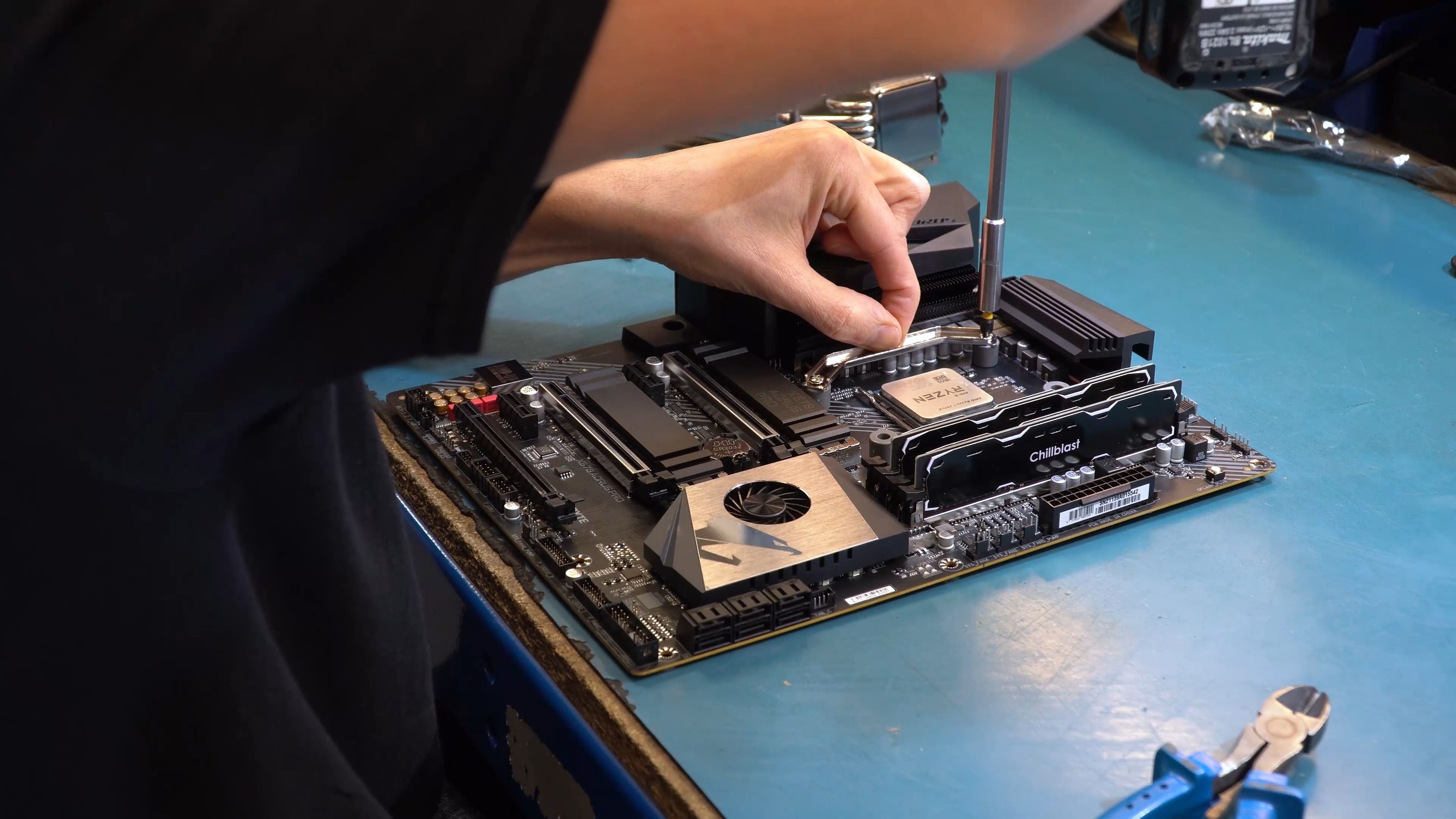
Common mistakes for first-time builders include not double-checking component compatibility (especially CPU socket and RAM type with the motherboard), forgetting to install the I/O shield, improper cable management leading to poor airflow, forgetting to install CPU cooler backplates before mounting the motherboard, and not correctly seating RAM or the GPU. Another frequent oversight is not installing necessary drivers after the operating system, which causes performance issues. Taking your time and reviewing guides thoroughly prevents most of these.
How do I choose the right CPU and GPU pairing for my gaming PC?
Choosing the right CPU and GPU pairing involves balancing performance and avoiding bottlenecks. For most gaming-focused builds, allocate more of your budget to the GPU, as it has the biggest impact on in-game frame rates. Pair a mid-range CPU (like an Intel Core i5 or AMD Ryzen 5) with an upper mid-range GPU (e.g., RTX 4070/4080 or RX 7800 XT/7900 XT) for 1440p gaming. For high-end 4K, a top-tier CPU and GPU combo is needed. Tools like PCPartPicker help identify potential bottlenecks and ensure compatibility.
Can I build a gaming PC that's also great for professional work or content creation?
Absolutely! Building your own computer allows for a powerful hybrid machine. Focus on a CPU with a high core/thread count (like an Intel Core i7/i9 or AMD Ryzen 7/9) and ample RAM (32GB or more) to handle demanding applications like video editing, 3D rendering, or streaming simultaneously. Pair this with a robust GPU for both gaming performance and accelerated creative tasks. A fast NVMe SSD and additional bulk storage (HDD or SATA SSD) complete a versatile, high-performance workstation and gaming rig.
What is the average lifespan of a custom-built gaming PC before it needs major upgrades?
The average lifespan of a well-built gaming PC before needing major component upgrades (like the CPU or GPU) is typically 3-5 years for maintaining top-tier performance on new releases. However, a carefully selected, balanced system can easily remain perfectly capable for 5-7 years for less demanding games or lower settings. Strategic, modular upgrades like adding more RAM, a faster SSD, or a new GPU can significantly extend its competitive lifespan without a full rebuild, offering great value for money.
Are you tired of settling for pre-built PCs that never quite hit the mark, or constantly battling performance issues with an aging rig? As a gamer who balances a demanding job, family life, and social commitments, you know every gaming session is precious. You want pure relaxation, fun, and the satisfaction of building skills, not troubleshooting frame drops or waiting for slow loads. Good news: Building your own computer in 2026 is not only achievable but also incredibly rewarding, offering unparalleled control over your gaming destiny.
Forget the hype; savvy gamers understand that value for money and performance optimization are paramount. With 87% of US gamers regularly diving into their favorite titles, averaging over 10 hours a week, a powerful, reliable machine isn't a luxury—it's essential for keeping up with friends, exploring new worlds, and mastering competitive play. This guide cuts through the noise to give you practical solutions, helping you avoid common setup issues and make smart hardware choices that fit your budget and busy lifestyle. Let's unlock the power of a custom-built machine together, ensuring your gaming time is always epic.
Why Should I Build My Own Computer Instead of Buying a Pre-Built?
Building your own computer offers significant advantages that pre-built systems simply cannot match, especially for the discerning gamer. The primary benefits include better value for money, superior customization, and a deeper understanding of your machine. When you build, you often get higher quality components for the same price point as a pre-built, as you're not paying for assembly labor or manufacturer markups on proprietary parts. This means more power for your buck, a critical factor when upgrading on a budget. Furthermore, you can handpick every single component—from the CPU and GPU to the case aesthetics—ensuring your system perfectly aligns with your gaming preferences, workload, and future upgrade path. This level of control allows for precise performance optimization, preventing bottlenecks and guaranteeing your rig excels at the games you play most, whether it's the latest AAA title or a cozy indie gem with friends.
Is Building a Gaming PC Too Complicated for Someone with Limited Tech Experience?
Absolutely not! While the idea of assembling complex electronics might seem daunting, building a PC today is surprisingly straightforward, akin to assembling LEGOs with a detailed instruction manual. Modern components are designed to be user-friendly, often clicking into place with specific slots to prevent incorrect installation. There's a wealth of online resources, including video tutorials and step-by-step guides, that demystify every part of the process. For many gamers, including those average-aged 36 who enjoy skill-building, the process itself becomes a fun, engaging project. It's an excellent way to gain a deeper understanding of how your machine works, empowering you to troubleshoot minor issues and confidently tackle future upgrades. If you can follow instructions, you can build a PC. Take your time, stay organized, and don't be afraid to consult resources; the satisfaction of booting up your self-built machine is immense.
What Are the Essential Components I Need to Build a High-Performance Gaming PC?
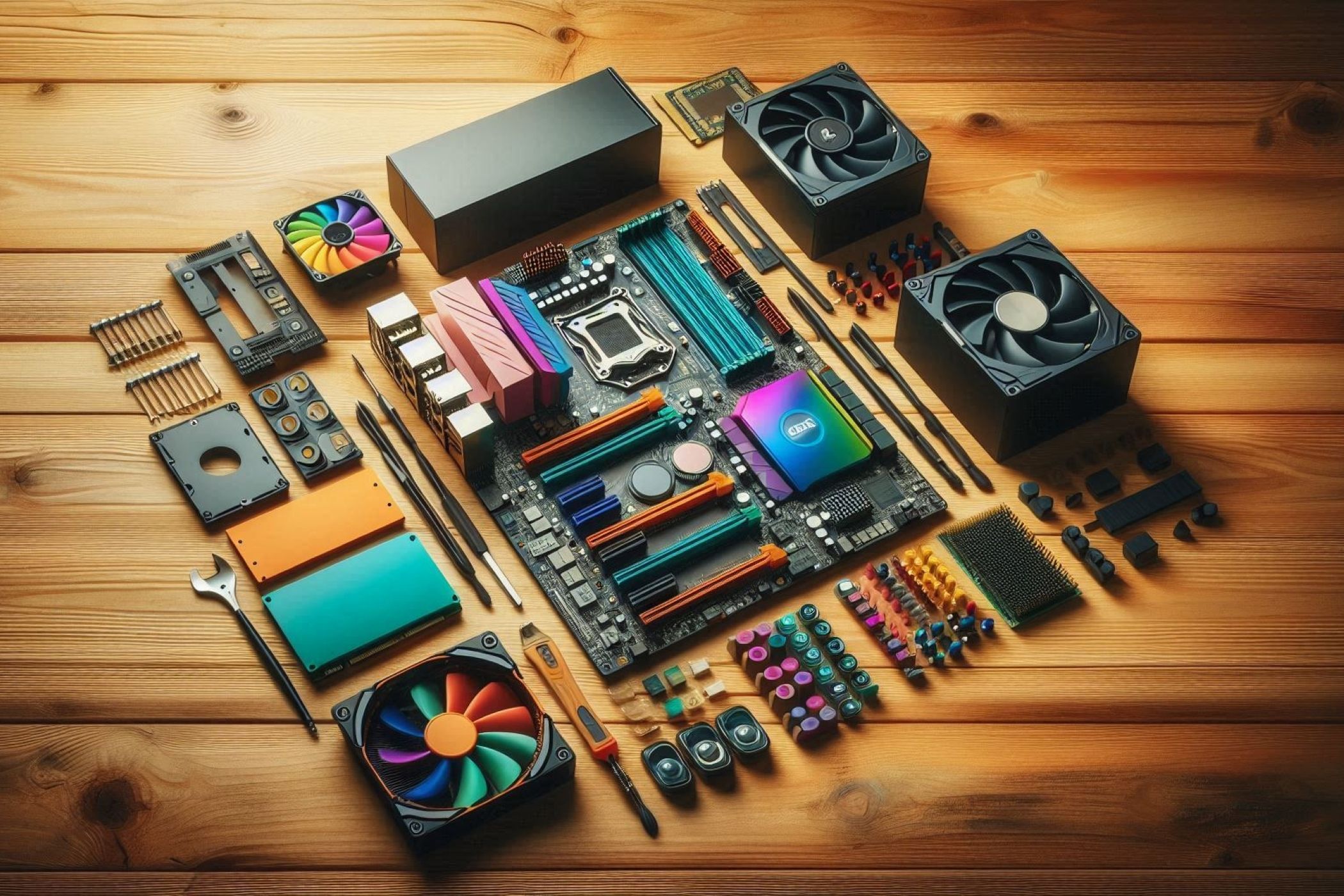
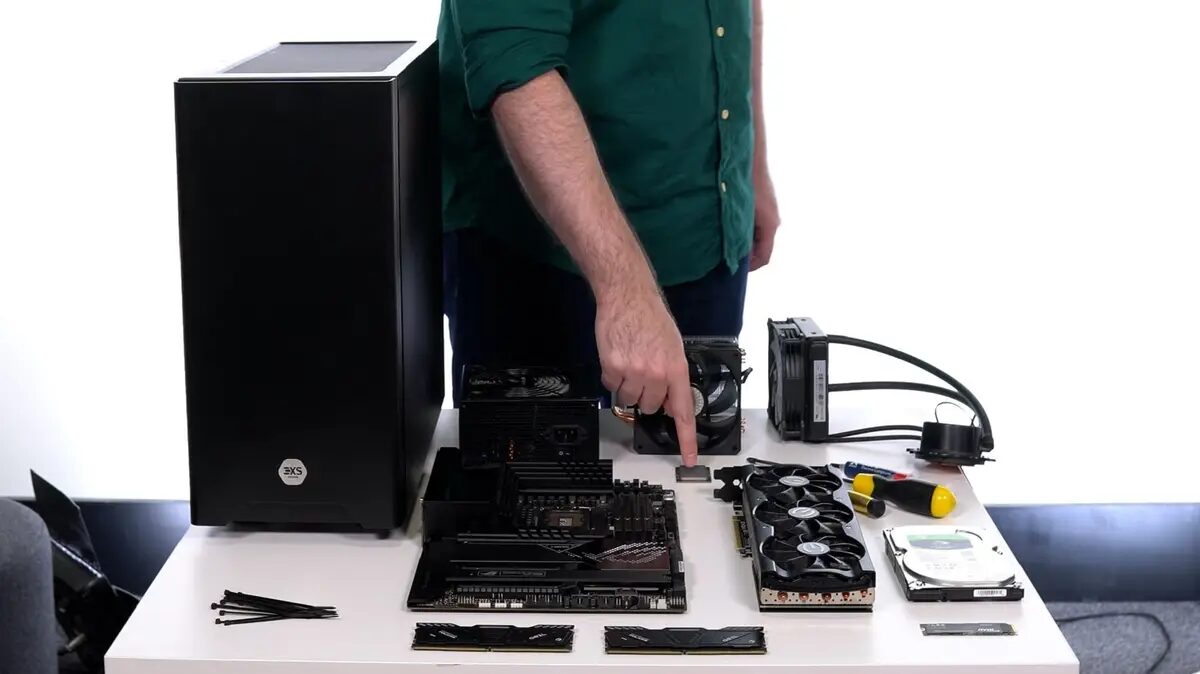
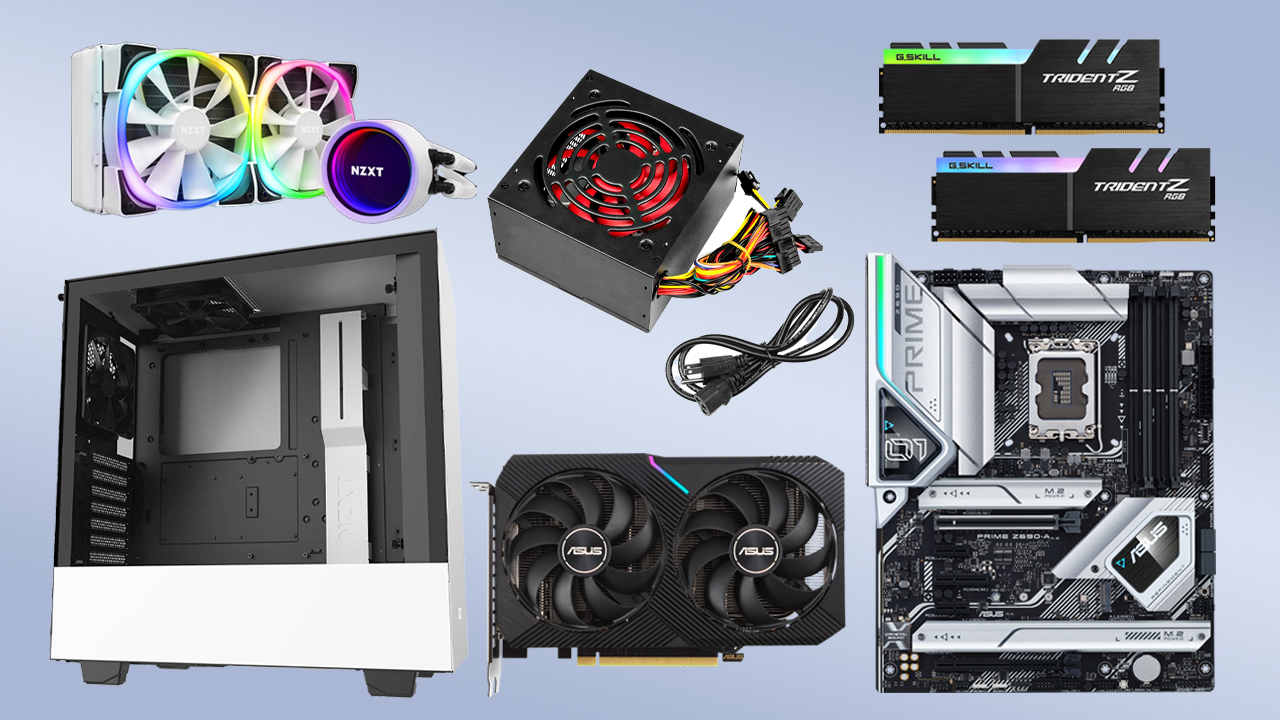
To build a solid gaming PC, you'll need several core components that work together harmoniously. Think of them as the heart, brain, and muscles of your rig. The CPU (Central Processing Unit) is the brain, handling general tasks and game logic; Intel's Core i7/i9 or AMD's Ryzen 7/9 are current strong contenders. The GPU (Graphics Processing Unit) is the muscle, crucial for rendering game visuals; NVIDIA's RTX 40-series or AMD's Radeon RX 7000-series offer excellent performance. Your Motherboard is the nervous system, connecting everything; ensure it's compatible with your chosen CPU and RAM. RAM (Random Access Memory) acts as short-term memory for active programs and games (16GB is a good baseline, 32GB is better for future-proofing). Storage typically involves an NVMe SSD for lightning-fast game loads and boot times (1TB minimum, 2TB is ideal). The PSU (Power Supply Unit) provides power to all components (don't skimp here; calculate wattage needs carefully). Finally, a PC Case houses everything, and a robust Cooling Solution (air or AIO liquid cooler) keeps temperatures in check, vital for peak performance during long gaming sessions or streaming.
How Do I Choose Components That Fit My Budget Without Sacrificing Too Much Performance?
Choosing budget-friendly components without crippling performance is all about smart allocation and understanding your priorities. First, identify your primary gaming resolution and target frame rate (e.g., 1080p 144Hz or 1440p 60Hz). This will help you prioritize your GPU, which is typically the most expensive component. Instead of buying the absolute latest CPU, consider the previous generation's top-tier models (e.g., a Ryzen 7 7700X instead of a Ryzen 9 7950X, or an Intel Core i7 13700K instead of a 14900K), as these often provide 90% of the performance for significantly less cost. Look for deals on RAM and SSDs, as prices fluctuate often. For the motherboard, opt for a mid-range board that has all the essential features you need (appropriate CPU socket, PCIe 5.0 for GPU if desired, enough RAM slots) rather than one loaded with premium features you won't use. Don't cheap out on the PSU; a reliable unit will protect your investment. Websites like PCPartPicker.com are invaluable for checking component compatibility and finding the best prices across different retailers, making it easy to see how budget adjustments impact your overall build. Remember, a balanced system is key; avoid pairing an ultra-high-end GPU with a weak CPU, or vice versa, to prevent performance bottlenecks.
Where Are the Best Places to Buy PC Parts and Find Good Deals in 2026?
In 2026, a mix of established retailers and online marketplaces remain your best bet for sourcing PC components and snagging deals. Major online retailers like Amazon, Newegg, and Best Buy often have competitive pricing and frequent sales. For more specialized or harder-to-find components, checking directly with manufacturers' websites (NVIDIA, AMD, Intel, Corsair, G.Skill) can sometimes reveal exclusive bundles or promotions. Keep an eye on community-driven deal sites and subreddits where fellow builders share discounts they've found. For budget-conscious builders or those seeking specific older generation parts, reputable second-hand markets like eBay (from verified sellers) or local hardware enthusiast groups can be a goldmine, but always exercise caution and verify product condition. Retailers like Micro Center, if you have one nearby, offer excellent in-store deals, especially on CPU/motherboard bundles. Remember to factor in shipping costs and return policies when comparing prices. Subscribing to newsletters from your favorite tech retailers can also alert you to flash sales and early bird offers, which are perfect for gamers operating on a strict budget.
How Can I Ensure My New PC Stays Current with Gaming Trends and Future Upgrades?
Future-proofing your PC isn't about buying the most expensive components right now; it's about making smart choices that allow for easy, cost-effective upgrades down the line. Start by choosing a motherboard with a relatively new CPU socket (e.g., AMD's AM5 or Intel's LGA1700, depending on which platform continues to receive new CPU generations) to allow for future CPU upgrades without needing a new board. Opt for a Power Supply Unit (PSU) with slightly higher wattage than your initial build requires (e.g., an 850W PSU for a 750W needed build), providing headroom for a more powerful GPU or additional storage in the future. Select a PC case with good airflow and ample space for larger GPUs or additional cooling solutions. Investing in 32GB of RAM from the start (or at least having space for it) is also a wise move as games become more memory-intensive. Finally, prioritize a fast NVMe SSD for your primary drive but ensure your motherboard has additional M.2 slots for future storage expansion. Staying current also means embracing software optimization; regularly update drivers and operating system, and keep an eye on gaming news for trends like cloud gaming integration or new graphics technologies that might impact your hardware needs. This strategic approach ensures your rig can adapt to emerging trends like VR experiments or higher-fidelity esports titles without a complete overhaul, saving you money and effort.
What Software and Drivers Do I Need After Assembling My PC?
Once your hardware is assembled, the software setup is the next crucial step. First, you'll need an operating system; Windows 11 is the standard for gaming PCs in 2026. After installing Windows, the absolute next priority is installing the latest drivers for all your components. Start with your motherboard chipset drivers, which are essential for component communication. Then, install the most recent graphics card drivers from NVIDIA or AMD's official websites – these are critical for gaming performance and stability. You'll also need drivers for your network adapter (wired and/or Wi-Fi), audio drivers, and any specific peripheral drivers (mouse, keyboard, webcam). Many of these can be found on your motherboard manufacturer's support page. Beyond drivers, install essential gaming platforms like Steam, Epic Games Launcher, GOG Galaxy, and Battle.net to access your game libraries. Consider utility software like monitoring tools (e.g., HWMonitor, MSI Afterburner) to keep an eye on temperatures and performance. Don't forget your preferred communication apps like Discord for social gaming, as 2026 trends show strong emphasis on community and cross-play. Keep all software and drivers updated regularly to ensure optimal performance and security.
How Can I Troubleshoot Common Issues During My First PC Build?
Even seasoned builders encounter issues, so don't be discouraged! The "no POST" (Power On Self Test) scenario, where nothing appears on screen, is common. Start by double-checking all power connections: the 24-pin ATX power to the motherboard, the 8-pin CPU power, and the GPU power cables. Ensure your RAM sticks are fully seated in the correct slots (check your motherboard manual for dual-channel configuration). Verify your GPU is properly seated in its PCIe slot. If you're using integrated graphics, make sure your monitor is plugged into the motherboard's video output. For dedicated GPUs, ensure the monitor is plugged into the GPU's output. Listen for "beep codes" if your motherboard has a speaker, or check for diagnostic LEDs on the board, which can pinpoint problems. Another common oversight is forgetting to connect the front panel connectors correctly; these tiny wires for power, reset, and USB are fiddly but essential. If a component feels loose, reseat it. If all else fails, try a "bare minimum" boot: only CPU, one RAM stick, GPU (if no integrated graphics), and the necessary power connections. This isolates potential culprits. Remember, patience is key, and online forums or videos can often provide solutions for specific error codes or symptoms. Persistence pays off!
What are the latest social gaming trends and how does building a PC support them?
In 2026, social gaming has truly exploded beyond just multiplayer matches. Trends show a huge rise in "cozy games" (think Stardew Valley, Animal Crossing-esque titles) that are enjoyed with friends in relaxed settings, often cross-play between PC and mobile. PC building supports this by providing the flexibility to run these games smoothly while also handling simultaneous voice chat on Discord or even a casual stream for friends. Esports viewing continues to draw massive audiences, and your custom PC is perfect for both watching high-res streams and jumping into competitive titles yourself. VR experiments are gaining traction, with more accessible headsets and experiences; a custom-built PC allows you to meet the often-demanding specs for these immersive worlds without compromise. Free-to-play titles, which dominate a significant portion of gaming hours for many, perform best on optimized hardware, ensuring you can enjoy the latest releases without constant performance hitches. Finally, the creator/streamer influence means many gamers are dabbling in content creation; a powerful custom PC is indispensable for smooth capture, editing, and streaming, letting you connect with your community and build skills. Your custom rig is the ultimate hub for all these evolving social and creative gaming experiences.
FAQ Section
Q: How much does it cost to build a good gaming PC in 2026?
A: A decent entry-level gaming PC can start around 700-900 USD, offering solid 1080p performance. For 1440p gaming and higher refresh rates, expect to spend 1200-2000 USD. High-end 4K or VR-ready rigs can go upwards of 2500+ USD, depending on components and luxury features. Prices fluctuate, so research is key.
Q: Is liquid cooling better than air cooling for my gaming PC?
A: For most gamers, high-quality air coolers offer excellent performance, are quieter, more reliable, and generally more affordable. Liquid cooling (AIOs) can provide slightly better thermal performance for overclocking or very hot CPUs in smaller cases, but they introduce more complexity and potential points of failure. Both are viable options.
Q: Can I use my old hard drive or SSD in a new custom PC build?
A: Yes, you can generally reuse old SATA hard drives (HDDs) or Solid State Drives (SSDs) for extra storage in your new build. For your main operating system and primary games, however, it's highly recommended to get a new NVMe M.2 SSD for significantly faster boot times and game loading, aligning with 2026 performance expectations.
Q: What tools do I need to build a computer?
A: You primarily need a Phillips head screwdriver, preferably magnetic-tipped. A small pair of snips for cable ties, some zip ties for cable management, and an anti-static wrist strap (though not strictly necessary with modern components, it's good practice) are also helpful. That's largely it!
Q: How long does it take to build a gaming PC for the first time?
A: For a first-timer, expect to spend anywhere from 3 to 6 hours for the physical assembly. This includes carefully reading manuals, watching tutorials, and troubleshooting minor snags. Software installation and driver updates will add another 1-2 hours. Take your time and enjoy the process.
Q: Should I worry about static electricity when building?
A: While static discharge can damage components, modern hardware is quite robust. Work on a non-carpeted surface, touch a grounded metal object (like your PC case before plugging in the PSU) frequently, or use an anti-static wrist strap. Avoid wearing wool socks or shuffling your feet. Don't overthink it, but be mindful.
Q: Can building a PC really save me money compared to buying?
A: Yes, absolutely. Building your own often provides a better performance-to-price ratio because you avoid the "integrator tax" and can hunt for sales on individual components. You also won't pay for pre-installed bloatware. Over time, modular upgrades also prove more cost-effective than replacing an entire pre-built system.
Q: What's the benefit of balancing gaming with work/family life in a custom PC build?
A: A custom PC allows you to optimize for both. You can choose a powerful CPU and ample RAM that handles demanding work applications and multitasking, while a strong GPU ensures your limited gaming time is high-fidelity and smooth. It's about creating a single, powerful machine that serves all aspects of your busy life efficiently.
Ultimately, building your own computer isn't just about saving money or gaining performance; it's about empowerment. It’s about crafting a machine that truly reflects your priorities as a gamer who values relaxation, skill-building, and social connection without the hype. You gain a deeper understanding of your tech, unlock incredible customization, and set yourself up for future-proofed enjoyment. Stop settling and start creating your ultimate gaming companion today. What’s your biggest gaming challenge with your current setup? Comment below!
Empower yourself to custom-build a high-performance gaming PC tailored to your budget and needs. Achieve superior performance and value over pre-builts. Learn component selection, assembly steps, and essential optimization tips. Address common gamer pain points like slow performance and expensive upgrades. Future-proof your setup for upcoming titles and trends. Join a community of builders and unlock a new level of gaming satisfaction.
35
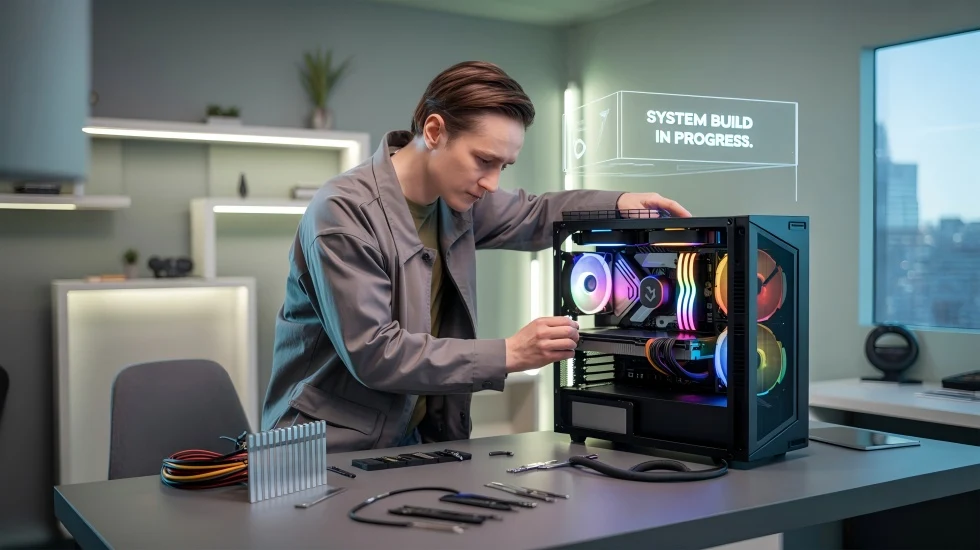

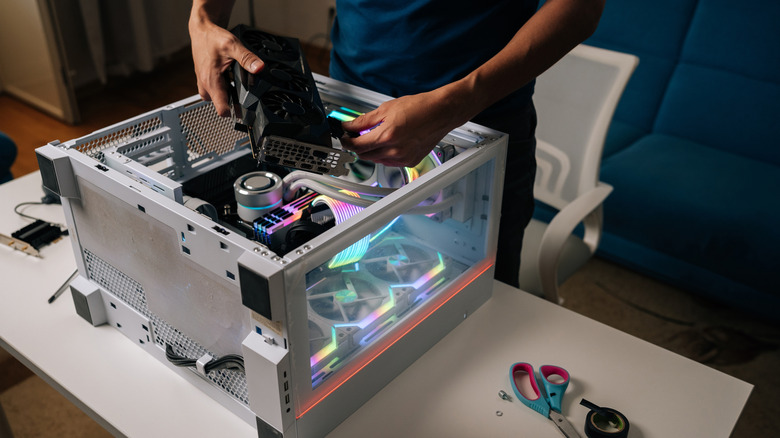
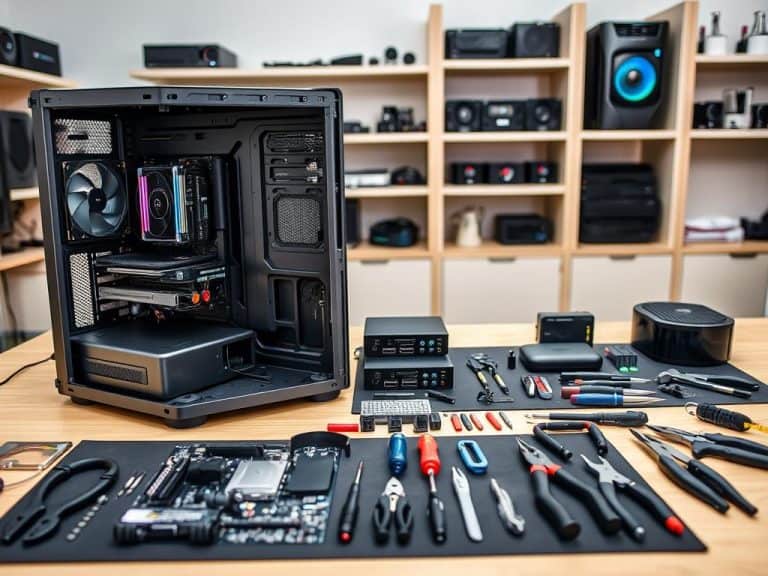
Build Vs Buy PC In 2026 Should You Build Your Own PC Or Buy A Prebuilt Build Vs Buy Pc . How To Build A PC Step By Step Beginner Guide In 2026 Pc Building Guide.webp. Build Vs Buy Should You Build Your Own PC Or Get A Prebuilt In 2026 Build Vs Buy Pc Guide . Is It Still Cheaper To Build Your Own PC In 2026 Intro 1772574535 . How To Build Your Own Computer A DIY Guide DIY Computer Build 768x576
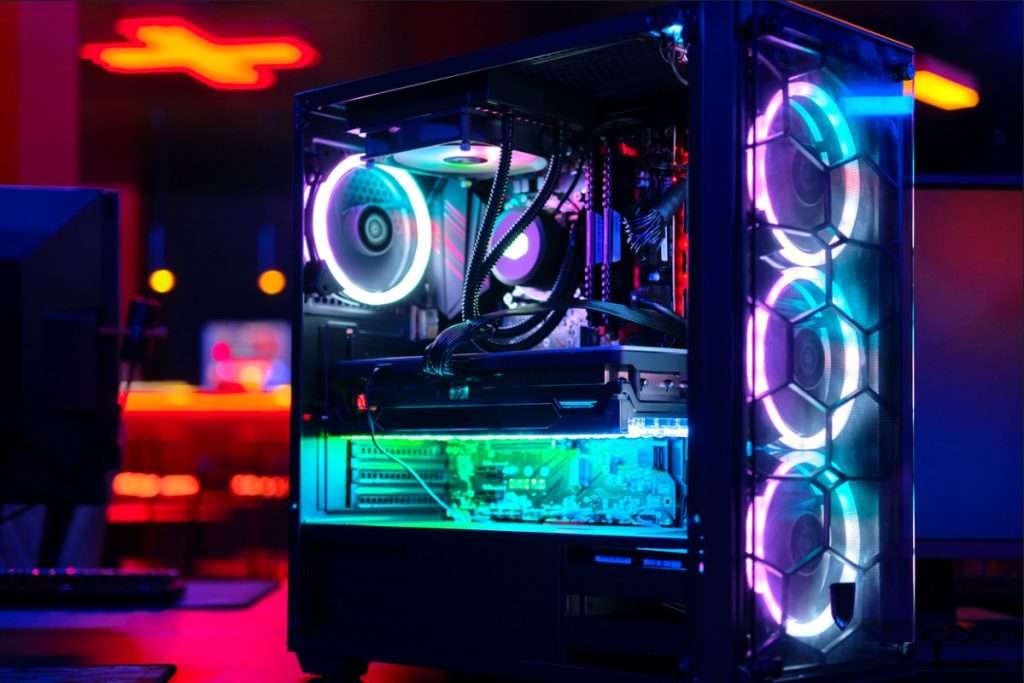



Best PC Builds For Gaming 2026 Ultimate Guide To Building Your Dream Best PC Builds For Gaming 2026 1024x683 . How To Build A PC In 2026 Beginner S Step By Step Guide Gadget Grab How To Build A Pc Pc Building Guide 1024x683 . Best Pc Build For Pro Tools Diy Pc Build Kit Rgb . Tutorials Com Build Your Own Pc . 10 Reasons 2024 Is The Best Time To Build Your Own PC PCMag 1.fit Lim.size


PC Project 2026 Where To Start With Building Your Own Gaming PC CCL PC BUILD STILLS11 . Building A Gaming PC In 2026 Is DIFFERENT YouTube . The Ultimate Guide To Building Your Own PC Smartech Image 84 1 . How To Build A Future Proof PC In 2026 Without Regret Gemini Generated Ima. Imresizer 98 . How To Build Your Own PC A Complete Beginner S Guide How To Build Your Own PC


Is Building Your Own PC Still The Cheaper Option In 2026 L Intro 1774350407 . PC Project 2026 Where To Start With Building Your Own Gaming PC CCL TG BUILD SHOT 03 . How To Build A PC The Last Guide You Ll Ever Need 2024 Update YouTube . Build Your Own PC A Practical Guide To Custom Performance And Value 2717921711 . PC Building 101 How To Build A PC As A Beginner 2026 Pcwizardhub Com PC Building 101 How To Build Your First PC As A Beginner


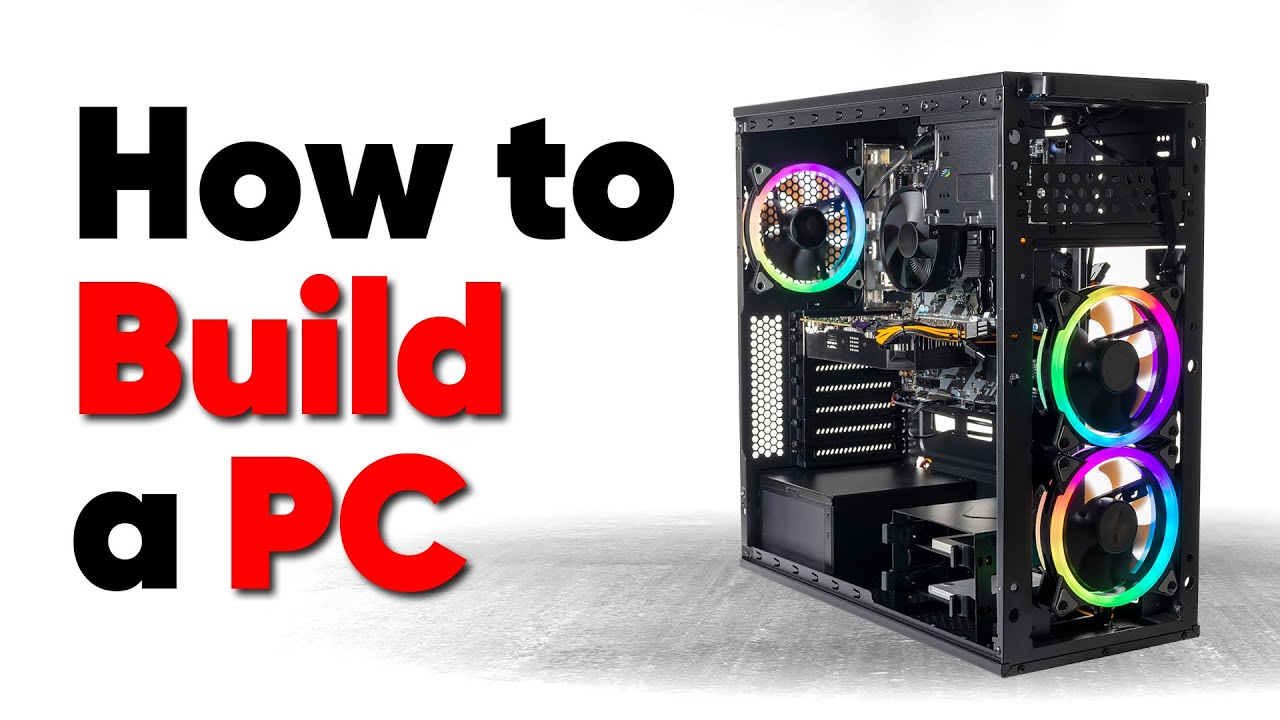
How To Build A PC Step By Step Full Build Guide YouTube . How To Build Your Own PC Step By Step Guide Build A PC . Building A Desktop Computer Step By Step At Layla Swallow Blog . How To Use To Build Your Own PC A Guide How To Use To Build Your Own PC A Guide . How To Build A Computer Safely
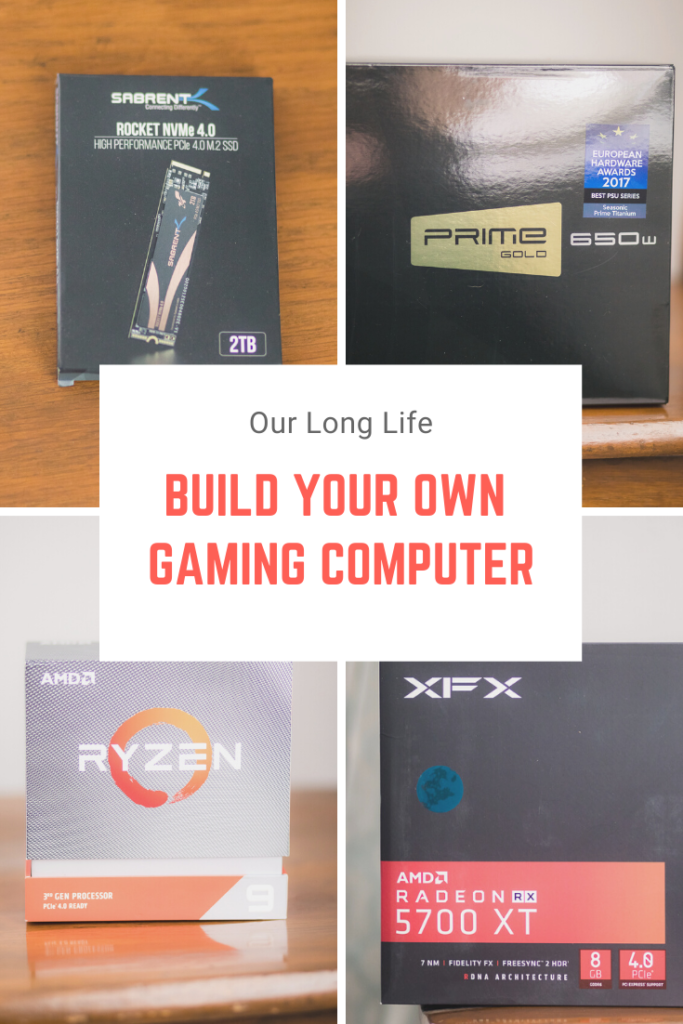

How To Build Your Dream Computer 2026 OUR LONG LIFE Build Your Own Gaming Powerful Computer 683x1024 . The Beginner S Guide To Building Your Own PC A Step By Step The Beginners Guide To Building Your Own PC . Build Your Own Gaming PC The Step By Step Manual To Building The 71lS29X TGL. SL1500 . Build Your Own PC In Nepal 2026 Parts Price List And Complete Guide Web Design Development Agency Promotion Facebook Post 9 768x384 . Why There S Simply No Need To Build Your Own Computer Anymore



Build Your Own Computer Uk AC UF894,1000 QL80 . How To Build Your Own Pc Artofit . How To Build A Gaming PC In 2026 Complete Parts Guide And Assembly Gaming Pc Build 2026 Hero . PC Build Guide 2026 How To Build Your Dream Computer Step By Step 1760772680 . PPT Building Your Own Computer PowerPoint Free Download Building Your Own Computer N