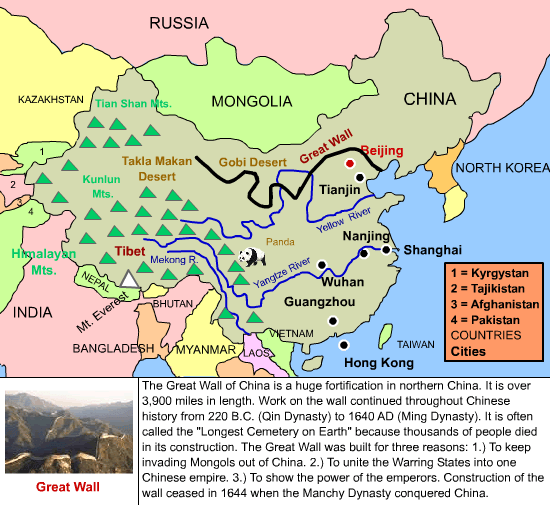
Where is the Great Wall of China located on a map?
The Great Wall of China stretches across northern China, traversing multiple provinces like Hebei, Beijing, Shanxi, and Gansu. It is not a single continuous line but a series of defensive fortifications. On a map, it appears as a vast, winding structure primarily north of the major cities, demonstrating its historical role in protecting ancient Chinese empires from northern invaders and defining geographical boundaries.
What are the most accessible sections of the Great Wall from Beijing?
From Beijing, the most accessible and popular sections of the Great Wall for U.S. travelers include Badaling, Mutianyu, and Jinshanling. Badaling is known for its extensive restoration and amenities, while Mutianyu offers scenic views and fewer crowds. Jinshanling provides a more rugged hiking experience, often connecting to Simatai, each offering unique perspectives and varying levels of tourist infrastructure.
How do I plan a trip to the Great Wall using a map?
To plan a Great Wall trip using a map, first identify the section you wish to visit based on your desired activity level and preferred experience (e.g., strenuous hike, family-friendly). Locate its position relative to Beijing, noting transportation routes like highways or bus lines. Use the map to determine travel time and potential connections, helping you choose the most efficient and enjoyable itinerary for your exploration.
Are there guided tours that utilize a Great Wall map for navigation?
Many guided tours for the Great Wall incorporate detailed maps to navigate visitors efficiently. Tour operators often provide maps highlighting the specific section being visited, pointing out key watchtowers, photo spots, and restrooms. These maps assist in keeping groups together and ensuring participants understand the route and duration of their hike, enhancing the overall guided experience and making navigation seamless for visitors.
Which Great Wall sections are best for a more authentic, less crowded experience?
For a more authentic and less crowded experience, consider visiting sections like Jinshanling, Gubeikou, or Huanghuacheng. These segments are further from Beijing than Badaling or Mutianyu, offering more natural, unrestored portions of the wall and fewer tourists. Gubeikou provides a wilder, rugged trekking opportunity, while Huanghuacheng uniquely features parts of the wall partially submerged in water, creating distinct photographic opportunities.
Planning a journey to China's iconic Great Wall? Our comprehensive guide offers U.S. travelers essential navigational details to explore its vast expanse. Discover which sections are most accessible, how to interpret a map of the Great Wall, and practical tips for reaching these historic sites from major cities. Understand the best routes, learn about various entry points, and find logistical advice tailored for an unforgettable adventure. This resource helps you pinpoint specific sections, choose transportation, and navigate the awe-inspiring ancient defenses with confidence. Prepare for your trip by identifying key segments like Badaling, Mutianyu, and Jinshanling, ensuring a smooth and rewarding experience as you traverse this global marvel.
Questions & answers
How long does it take to get to the Great Wall from Beijing by car?
Driving to popular Great Wall sections from Beijing typically takes 1.5 to 3 hours, depending on traffic and the specific section. Mutianyu is usually around 1.5-2 hours, while more distant sections like Jinshanling can take up to 2.5-3 hours. Planning for potential delays, especially during peak travel times, ensures a smoother journey.
Can I buy a detailed Great Wall hiking map at the site?
Yes, detailed hiking maps are often available for purchase at the visitor centers or ticket offices of popular Great Wall sections. These maps typically highlight specific trails, points of interest, facilities, and emergency exits for that particular segment. It is advisable to acquire one upon arrival to aid in navigation during your hike.
What is the best way to navigate between different sections of the Great Wall?
Navigating between Great Wall sections is generally done by pre-arranged private car hires or tour buses, as public transport options are limited and often indirect. For adventurous hikers, some sections like Jinshanling and Simatai are connected by established trekking routes. Always confirm transportation arrangements in advance for multi-section visits.
Does a Great Wall map show available restrooms and dining options?
Yes, modern tourist-oriented maps of the Great Wall's popular sections often indicate the location of restrooms, dining facilities, and other amenities like cable car stations or souvenir shops. These details are crucial for visitor comfort and planning, especially on longer hikes. Always check the map for these essential services before embarking on your journey.
Are there any Great Wall map apps recommended for US travelers?
While no official 'Great Wall map' app exists, general travel apps like Google Maps or Apple Maps, combined with offline map downloads, can be highly effective. Some third-party travel guides or tour operator apps might also offer integrated maps with points of interest for specific sections. Always download maps offline due to potential spotty cell service.
How accurate are online maps for remote Great Wall sections?
Online maps for remote or unrestored Great Wall sections may have varying levels of accuracy. While major sections are well-mapped, less-visited areas might lack detailed trail information or current conditions. It is always best to cross-reference multiple sources, consult with local guides, or use a GPS device if exploring truly remote segments to ensure safety and accurate navigation.
Act as a local travel expert. Provide an authoritative, deeply informative geographical guide based on Map Of The Great Wall In China. Focus on providing unique, first-hand recommendations (e.g., best routes, local hidden spots, logistical tips) that cannot be easily found on generic map sites. Organize information using descriptive subheadings, bullet points, and practical transit bullet points. Ensure the content satisfies Google's geographical intent by linking locations to practical user use cases.
Understanding The Great Wall's Vast Geography
The Great Wall of China is not a single continuous barrier but rather a series of fortifications built across different dynasties, stretching for thousands of miles across northern China. Its intricate network spans multiple provinces, including Hebei, Beijing, Tianjin, Shanxi, Inner Mongolia, Liaoning, Jilin, Heilongjiang, Shaanxi, Gansu, Qinghai, Ningxia, and Xinjiang. This immense scale means that understanding its map is crucial for any traveler from the United States hoping to explore its various segments effectively. Each section offers a unique historical perspective and distinct scenic beauty, necessitating careful planning to choose the best destination for your visit.
For US travelers, identifying which sections are most accessible and offer the best experience is paramount. Many parts of the wall are remote and require significant travel time, while others are well-developed for tourism with amenities and easy transportation. A detailed map helps visitors visualize these distances and make informed decisions about their itinerary. Considering factors such as hiking difficulty, crowd levels, and proximity to major cities like Beijing will significantly enhance your travel planning and overall enjoyment of this UNESCO World Heritage site.
Navigating the Great Wall's map also involves appreciating its strategic placement across diverse terrains, from rugged mountains to sprawling deserts. Understanding this geographical context enriches the historical experience, revealing why certain sections were built where they were and the challenges ancient builders faced. It transforms a simple sightseeing trip into a deeper appreciation of human ingenuity and resilience. Our guide aims to demystify this complex geography, offering clear insights into how to best interpret and utilize a Great Wall map for your adventure.
Key Sections And How To Reach Them From Beijing
Beijing serves as the primary gateway for most international travelers to the Great Wall. Several well-preserved and restored sections are easily accessible from the capital, each offering a distinct experience. The most popular sections include Badaling, Mutianyu, Jinshanling, and Simatai. Badaling is perhaps the most famous and crowded, known for its extensive restoration and cable cars, making it ideal for families or those with mobility concerns. Mutianyu offers equally stunning views with fewer crowds than Badaling and excellent facilities like chairlifts and toboggan rides, providing a more relaxed and enjoyable visit for many US tourists seeking scenic beauty and convenience.
To reach Mutianyu, many travelers opt for private car hires, which offer flexibility, or take a direct tourist bus from Dongzhimen Public Transport Hub in Beijing. The journey typically takes about 1.5 to 2 hours, making it a feasible day trip. Jinshanling and Simatai, while further afield, offer a more rugged and authentic hiking experience. Jinshanling is particularly renowned for its relatively untouched sections and stunning watchtowers, often linked by a scenic hike to Simatai West. These sections cater to adventurers looking for a challenging trek and unparalleled photographic opportunities, showcasing the wall's grandeur away from the busiest tourist spots.
For Jinshanling, express buses depart from Dongzhimen, taking approximately 2-3 hours. It's often recommended to arrange a return trip in advance or consider an overnight stay for a more immersive experience, especially if you plan to hike between sections. Simatai is the only section open for night tours, offering a unique perspective of the illuminated wall. Access to Simatai usually involves a shuttle bus from Gubeikou town, which can be reached by bus or private car from Beijing. Planning your visit to these sections involves balancing travel time, desired activity level, and the type of experience you seek, ensuring your map-based navigation leads to your perfect Great Wall adventure.
Navigating The Wall: Practical Tips And Routes
When planning your Great Wall visit, consider the time of year and day. Spring and autumn offer pleasant weather for hiking, while summer can be hot and crowded. Early mornings are best for avoiding crowds, especially at popular sections like Mutianyu. Always wear comfortable shoes suitable for walking on uneven surfaces, as many sections involve steep climbs and descents. Bring sufficient water, snacks, and sun protection. Many areas of the wall have limited facilities, so being prepared is essential for a comfortable and enjoyable exploration. Utilizing an offline map on your smartphone can be invaluable, as cellular service can be spotty in remote areas, ensuring you stay oriented.
For those seeking a less-traveled path, explore sections like Huanghuacheng or Gubeikou. Huanghuacheng is unique for its portions submerged under water, offering a different landscape perspective and fewer tourists. Gubeikou provides an unrestored, wilder experience for experienced hikers, giving a true sense of the wall's original state. These sections require more adventurous planning, often involving local buses or private transport, and may lack the tourist infrastructure of the more developed areas. However, for many US visitors, the reward is an unparalleled connection with history and nature, far from the typical tourist routes.
- Best Routes for Active Hikers: Consider the Jinshanling to Simatai West trek, offering a blend of restored and wild sections.
- Family-Friendly Options: Mutianyu with its cable cars and toboggan is highly recommended for ease of access and fun.
- Off-the-Beaten-Path: Explore Huanghuacheng for its unique waterside sections or Gubeikou for an authentic, unrestored experience.
- Logistical Tip: Pre-book private transfers for convenience, especially when visiting multiple sections or remote areas.
Common Questions About Great Wall Maps
What is the best map for planning a Great Wall trip?
The best map for planning a Great Wall trip typically combines detailed geographical information with tourist-specific data. Look for maps that clearly mark different sections of the wall, their accessibility, and transportation options from major cities like Beijing. Online interactive maps from reputable travel sites or dedicated Great Wall tour operators often provide the most up-to-date information, including trail conditions and facility locations, which are crucial for a well-organized visit, especially for international visitors.
How long does it take to walk the Great Wall?
Walking the entire length of the Great Wall is not feasible for tourists, as it spans thousands of miles and many sections are unrestored or inaccessible. Most visitors choose to hike specific restored sections, which can take anywhere from 1 to 4 hours depending on the section's length and difficulty. For example, a leisurely walk at Mutianyu might take 2-3 hours, while a more strenuous hike between Jinshanling and Simatai could extend to 4-5 hours or more, offering varied experiences.
Are there specific maps for hiking different sections?
Yes, many tourist-focused maps and guides provide detailed topographical information for popular hiking sections. These specialized maps often highlight trails, watchtowers, elevation changes, and points of interest specific to a segment like Badaling or Jinshanling. Local tour operators or visitor centers at the wall itself can also provide segment-specific maps, which are invaluable for navigating the trails safely and efficiently. Always inquire about these detailed maps upon arrival for the best experience.
Key highlights
Great Wall China map, best Great Wall sections, how to get to Great Wall, Great Wall tour routes, China travel guide Great Wall, Great Wall near Beijing, explore Great Wall locations
In pictures


File Map Of The Great Wall China Jpg Wikipedia Guide Everything You Need To Know Length History Why When Built It 5623BBB52A2C434E9EE95EFC Did Work National Geographic S Damaged By Workers Looking For Shortcut BBC News 130993723 Ming 640 2X Nc 130993723 640 2X Definition Location Asia World Heritage 1987 ENGR1300 Engineering Sucsess References MAP4 570 MAP4 570 Heritageoftheworld Greatwall In Living Nomads Travel Tips Guides On How Visit From Beijing Even Longer 45682151 466MAP 45682151 466MAP Maps All Is Here 54eae24c0d114d90a851e8b2.


Use The Interactive Book To Answer Questions Scroll Down View Great Wall File Of China Location Map Jpg Wikipedia Small Detailed Stock Photo Alamy 2r84yw1 Ilustraci N De Mapa Detallado La Gran Muralla Y M S Vectores History Length Who When Why Built 2026 Maps Hiking Hebei 400 In World Liaoning Best Sections Tickets And Travel Guide Trip Com 0m76212000rorbkoze4f2 2026 Gansu 400 Ancient 4074729 Orig 4074729 It B36C6F9A97F0461AA230AB21 All You Need Is Here 6ba24829b81040ecb41dd128.


Great Wall Of China Facts Questions About The 2026 Location Map Nytimes Com Popup In History Qin Han Ming Dynasty 2026 Maps Hiking Greatwall 400 2026 Shanxi 400 Jinshanling 2026 Transportation Tourist Mutianyu 820 Length Why When Built It 650885ebca4242d1b06ee8a2 Hebei File PNG Wikimedia Commons 640PX Detailed View Historic Building Cut Out Stock Images Pictures Alamy 2R86J1W Hist 191 Past And Present.